 |
Breeser Family Tree |
|
| Marriage Customs Around the World |



Marriage customs vary around the world, though
some are more a nod to the past

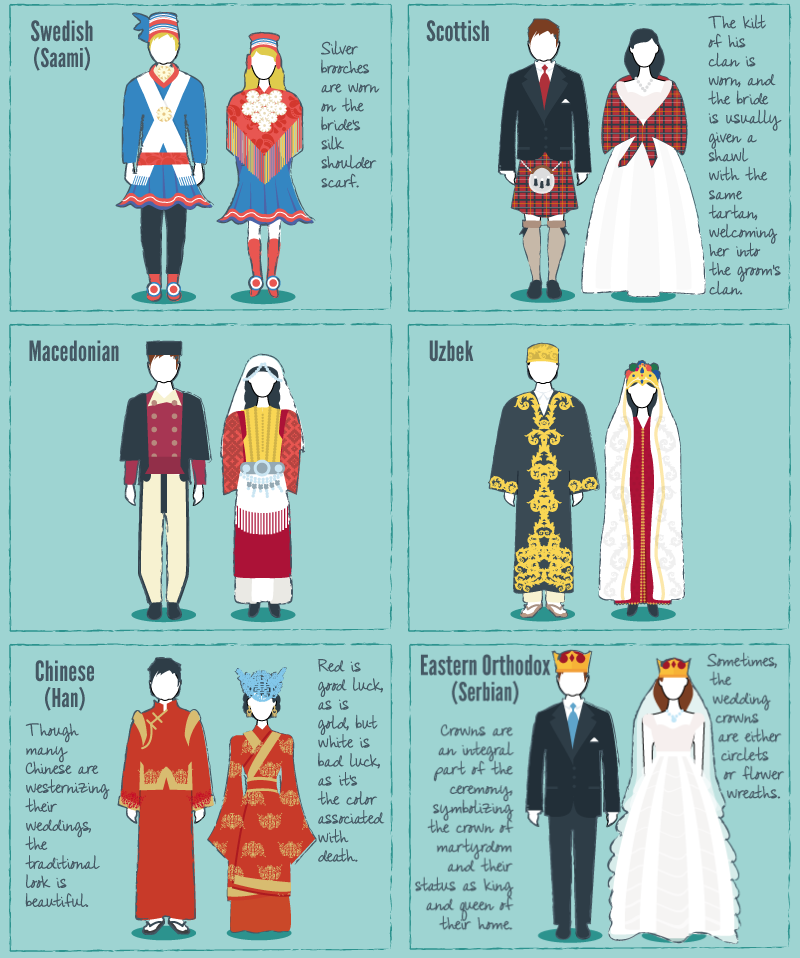
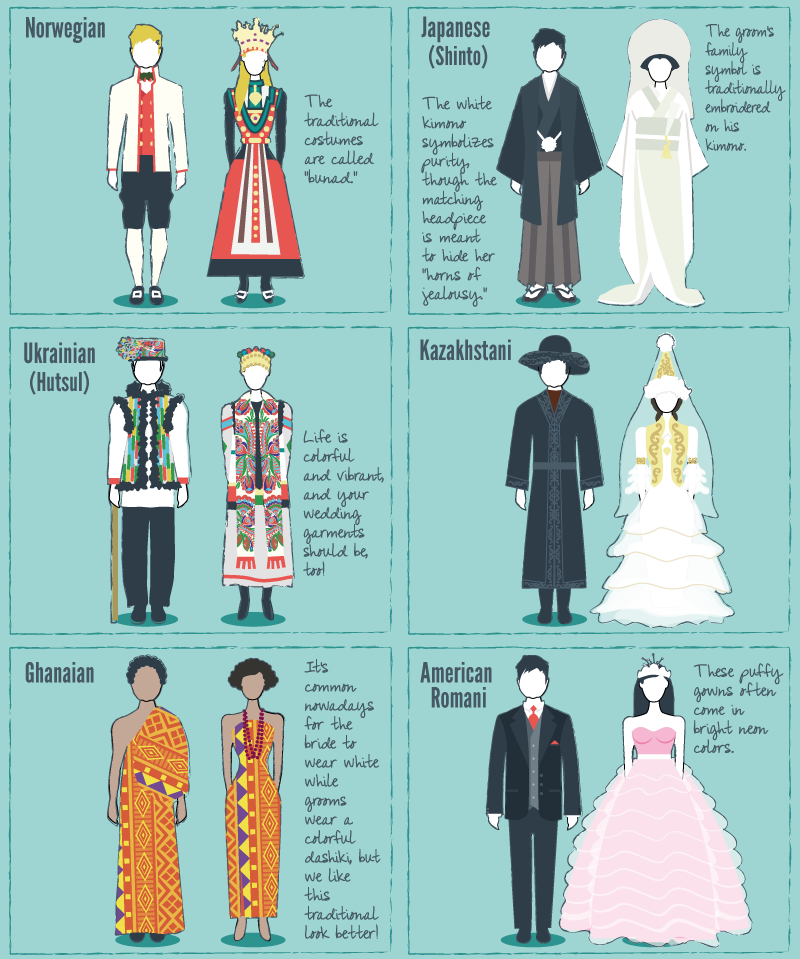
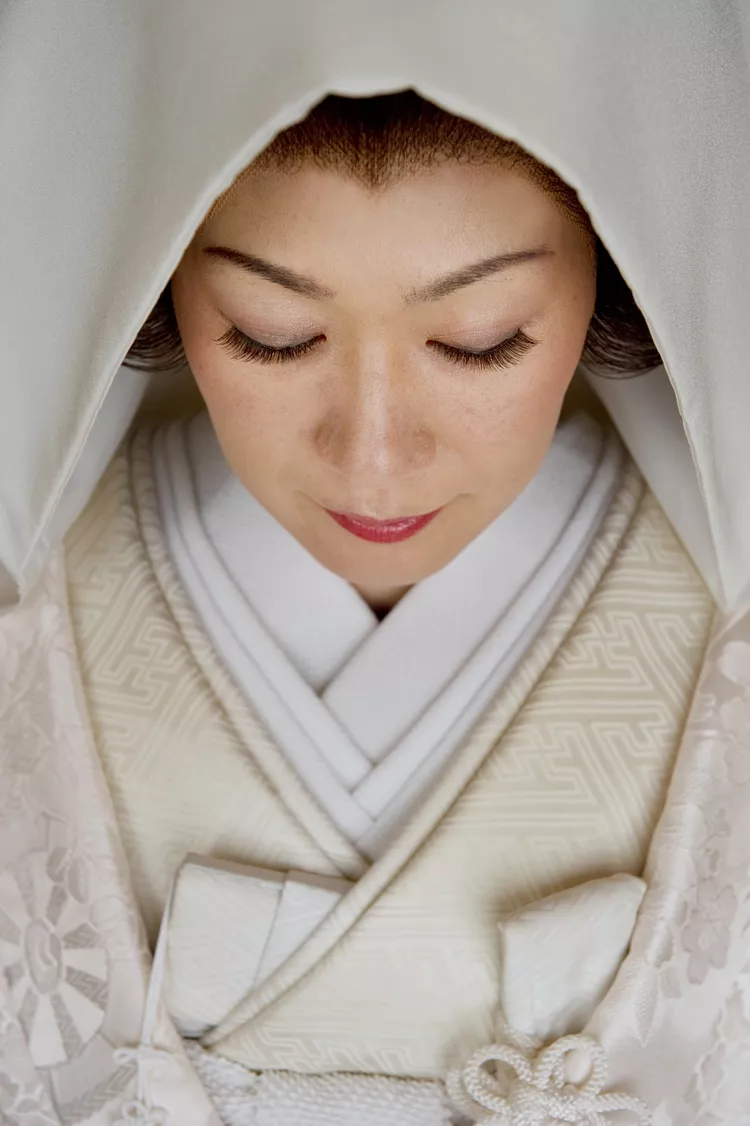
Japanese brides in a Shinto ceremony wear all white including makeup, kimono, and a hood. This last item hides the 'horns of jealousy' the bride may feel toward her mother in law.

Brazilian weddings have rituals involving natural elements of sand, water, and fire which are thought to enhance the marriage. The couple often mix different sands together as one thus signifying their joining.
Brides of the Tujia people in China cry for one hour every day starting one month before they tie the knot. Once they reach the 10-day mark, the mother of the bride joins in, and another 10 days after that, her grandmother starts the waterworks. By the end of the month, every female in the family is crying alongside the bride. The tradition is believed to be an expression of joy, as the women weep in different tones, reminiscent of a song.
At the wedding reception, newlyweds in Guatemala have the groom's mother break a ceramic bell filled with rice and flour to bring the couple prosperity.
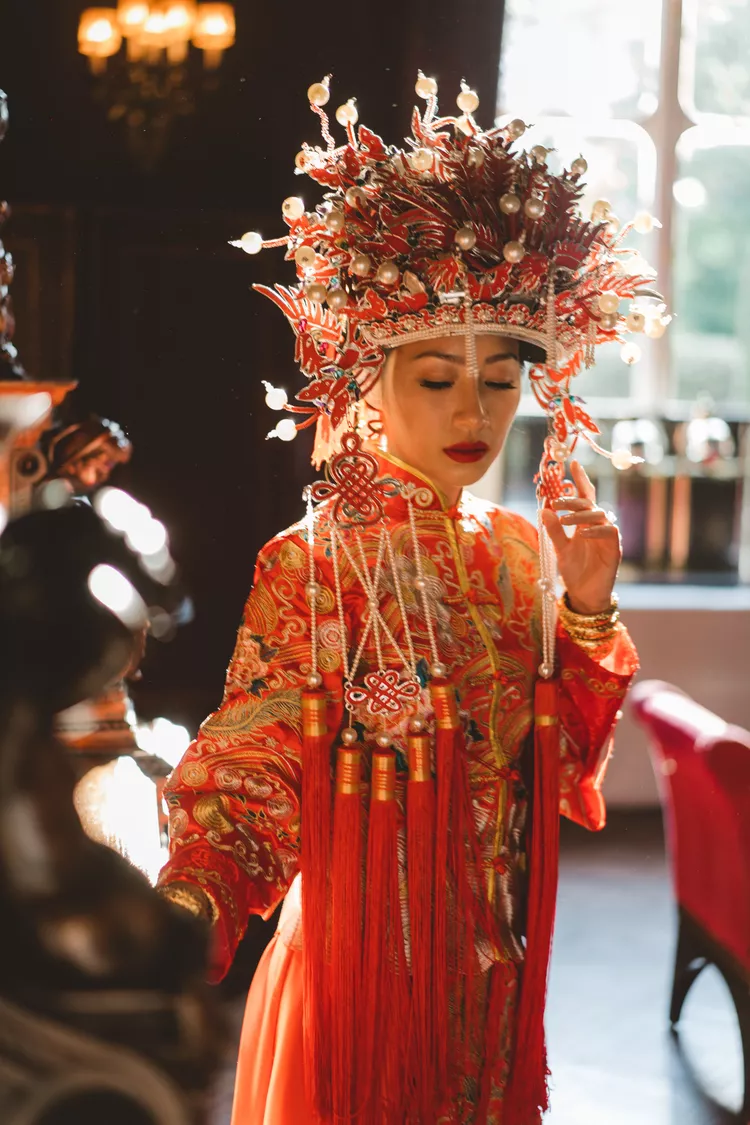
Family in China hire a "good luck" woman to care for the bride-to-be in her travel to the groom's home in an elaborately decorated sedan chair. Brides are shielded with parasols as rice is tossed at the chair to give her good health and prosperity.
Before a wedding in Greece, an infant is placed on the couple's bed to enhance fertility. After marrying, guests shower them with rice, lentils and peas to further guarantee fertility.
Variations of the money dance is a common wedding tradition in many cultures. In Cuba, every man who dances with the bride pins money to her dress to help the newlyweds with the cost of the wedding and honeymoon. At French Canadian ceremonies, unmarried siblings do the dancing wearing brightly colored socks.
As a newly married Armenian couples enters their wedding reception, a plate is broken for good luck. The groom's mother gives them flatbread and spoonfuls of honey. The honey represents happiness, and the balancing of bread on their shoulders is supposed to counteract evil spirits.

The groom in China shoots his bride with a bow and arrow (blunt) several times. He later breaks each of them during the ceremony to ensure their love forever.
Blowing a conch shell horn is a long tradition in Hawaii. The officiant sounds the horn at the start of the ceremony or after the newlyweds first kiss.
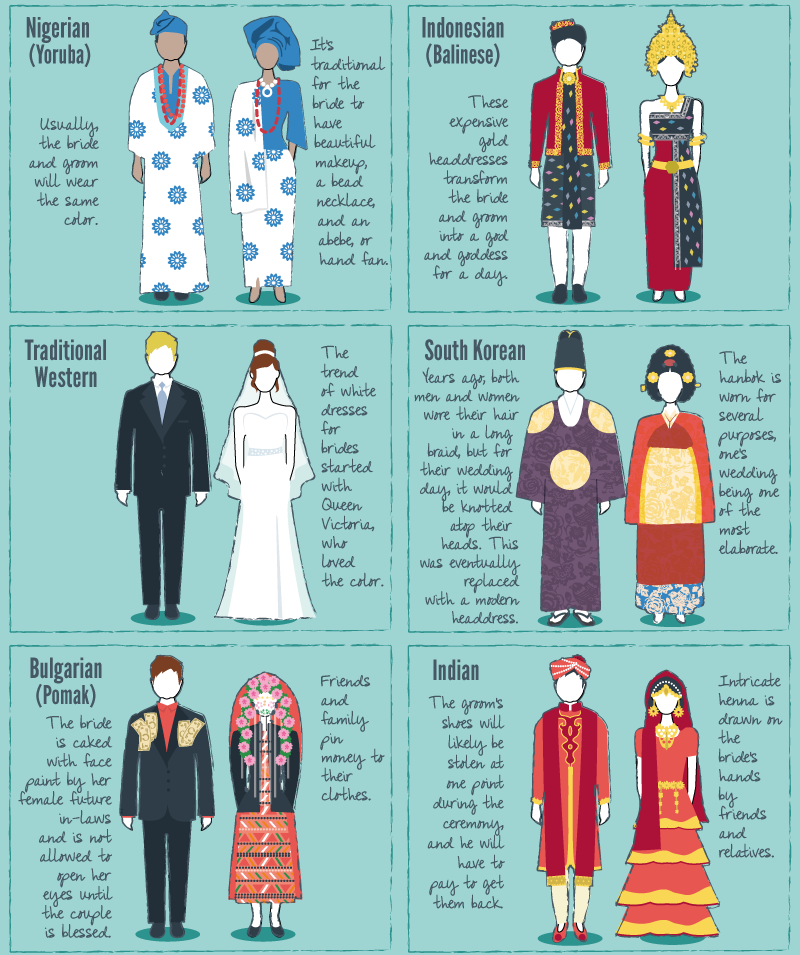
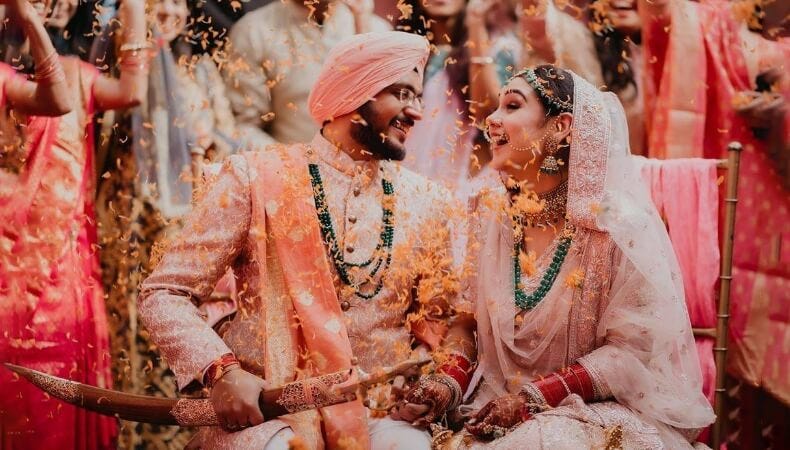
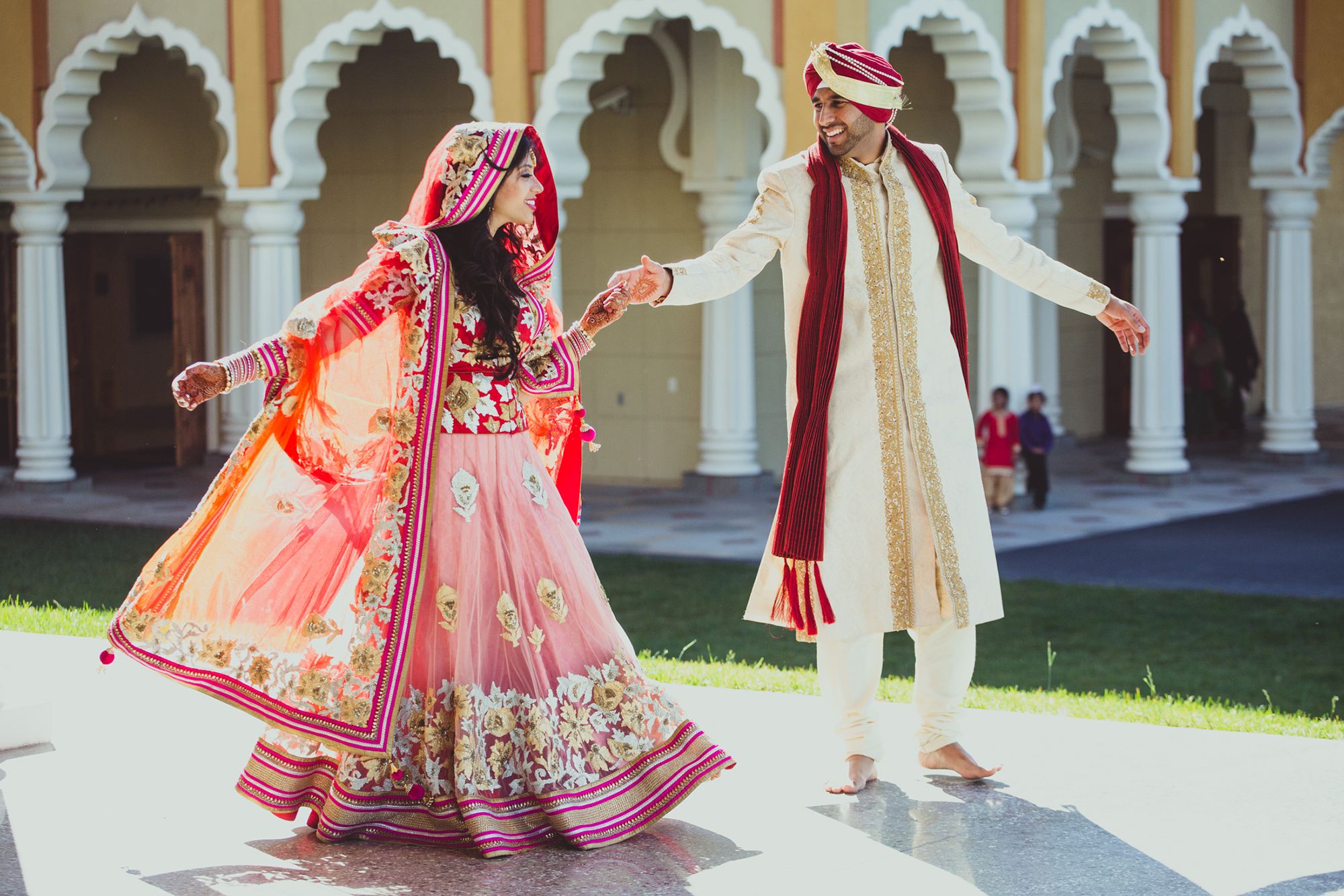
On the day of a wedding in India, the bride's young female family members hide the groom's shoes. The groom must negotiate with them for their safe return. This tradition results in laughter and blessings bestowed to the young couple.
A Scottish bride and groom are captured by their friends before the wedding ceremony. They are covered in things like molasses, ashes, flour, and feathers, before parading them around town. This is supposed to combat evil spirits.
When a man in Fiji asks the father for permission to marry his daughter he must give him a whale's tooth. This shows he has compassion and thoughtfulness to the bride's family.

French newlyweds walk through a heart carved into a white sheet. A similar tradition in small villages has children blocking the bride's walk down the aisle with white ribbons that she must break through. This represent her ability to overcome future challenges in her marriage.
On the Marquesas Islands of French Polynesia, at the end of the wedding relatives of the bride lay face down on the ground beside one another, while the bride and groom walk over them like a human rug.
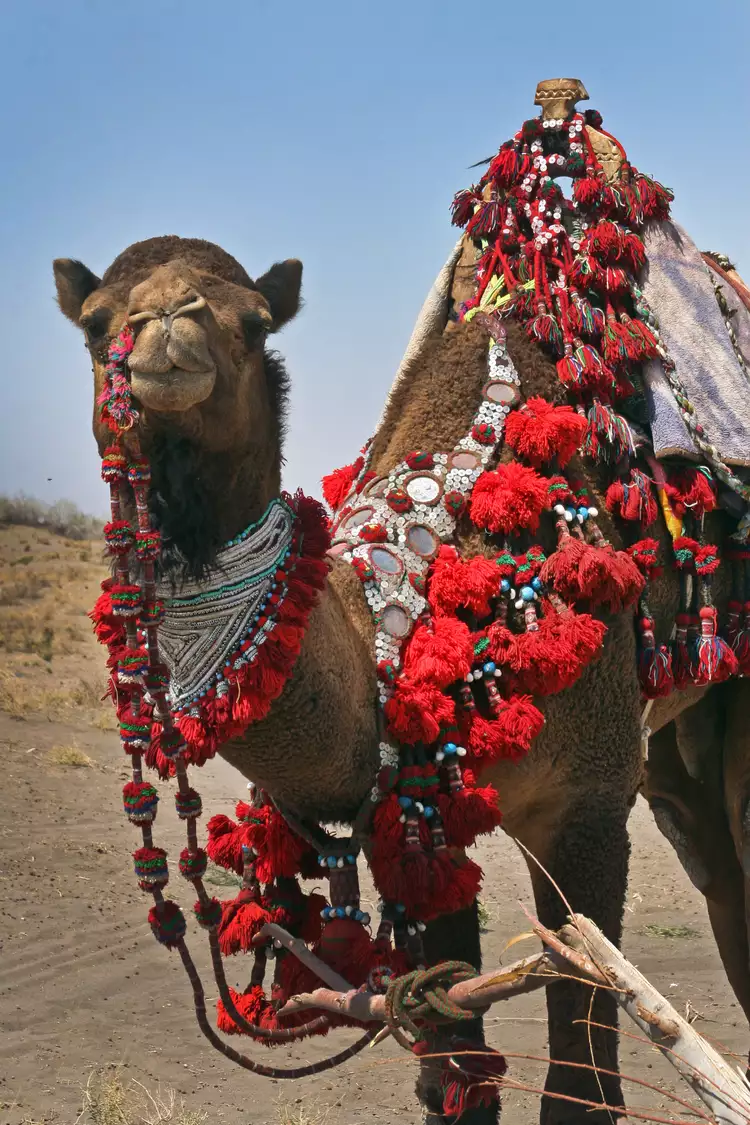
In the country of Niger, a wedding reception is marked by a camel dance. As the camel dances to the drumbeat, wedding guests gather to watch and join in.
Newlyweds in Germany receive a large log and a saw. Together they're supposed to saw the log in half to show their ability to overcome any and all obstacles in their marriage.
In Romania guests playfully abduct the bride and demand a ransom from the groom of some alcohol or a performance in front of the wedding party.
During dances by the bride and groom at Irish receptions, the bride must keep at least one foot on the floor at all times. According to folklore, failure to do so invites evil fairies to come and take her away.

In Sweden, whenever the bride leaves the table, all of the ladies at the reception are welcome to steal a kiss from the groom. And vice versa: Whenever the groom leaves the room, the men are free to plant a peck on the bride.
When a Welshman falls in love and is ready for marriage, he carves wooden 'lovespoons' and gives them to his fiance. They can be decorated with keys (the key to his heart), and beads (for the number of children he is hoping for).
Hindu brides in India born during a certain astrological period may have to marry a tree first, and then have it cut down to break the spell of being an early widow.
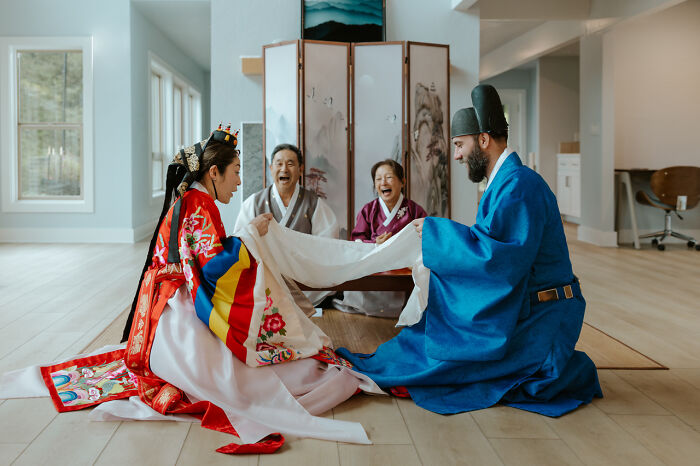
South Korean grooms may be held down by family and friends as they beat the bottom of his feet with a stick or dried fish. In between beatings he is asked trivia questions to strengthen his memory.
In Greece, the term groomsman is taken literally. On the wedding day the best man becomes the groom's barber and with a razor shaves him, demonstrating their trust.
In Congo, couples have to keep their happiness in check. On their wedding day they are not allowed so much as a smile, as doing so proves they don't take the marriage seriously.
In Turkey the groom's friends plant the country's flag in the ground at his house. They might also scatter things like fruit, vegetables, and mirrors around it to signify the wedding ceremony has begun.
The night before the wedding, an Italian groom traditionally throws a surprise party outside his bride-to-be's window. "La serenata" begins with the groom, backed by musicians, serenading his fiance, before it turns into a full-blown bash, complete with a lavish buffet and all of the couple's friends and family.
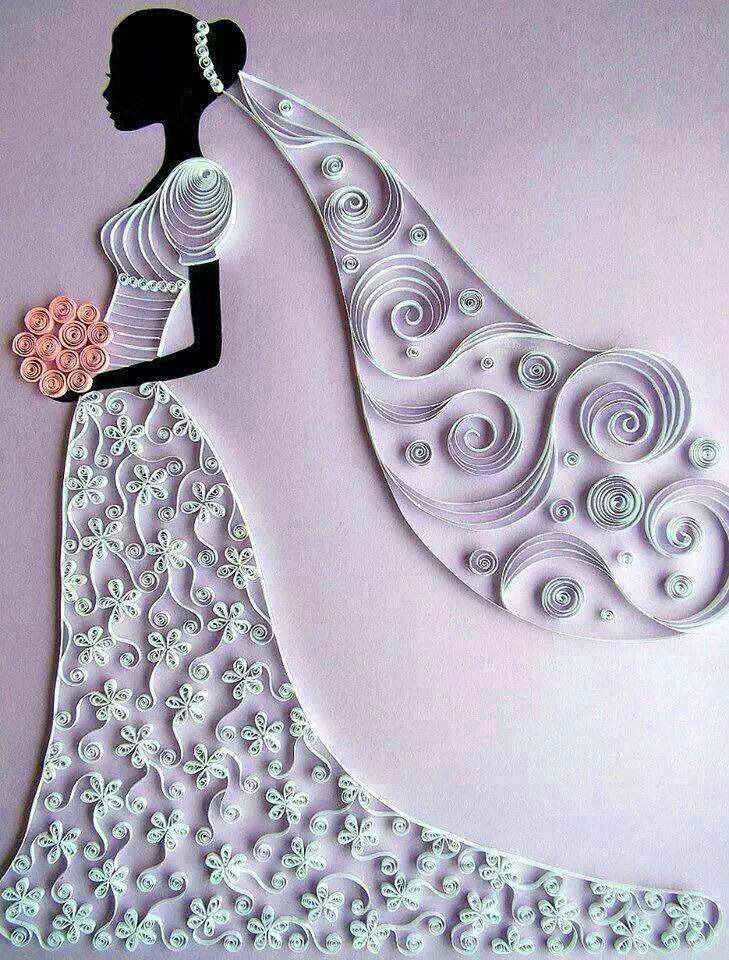
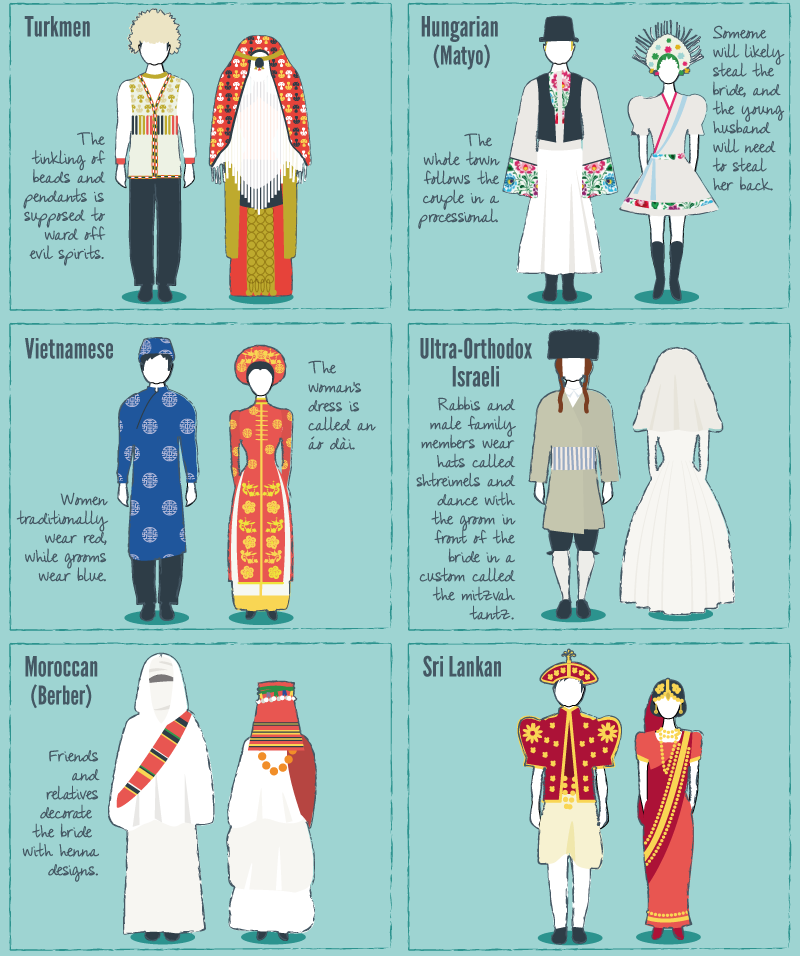
Brides in Norway wear a crown to ward off evil spirits. It has small charms on it so that any small movement causes a tinkling sound to scare off the spirits.
In Nigeria, the breaking of a kola nut signals the start of an important event. The more pieces that it is broken into means more prosperity for the host and guests.
Guests at German weddings throw dishes on the ground to dispel evil spirits. Later the newlyweds clean up the pieces, to show that working together, any challenge can be overcome.
At a Spanish wedding the groom's friends will cut his tie up into pieces and sell them to guests to raise money for the newlywed couple. The bride's garter will often get the same treatment.

Chinese bridesmaids challenge the groom and groomsmen on the morning of the wedding day by putting him through a series of tests, called 'wedding door games,' to prove that he's worthy of the bride. Later he must give them envelopes full of money.
In a Mexican wedding ceremony a lasso of rope or string is draped around the shoulders of the couple in a figure eight shape. "El lazo" represents the union of the couple, and the shape represents the infinity sign for a long marriage.
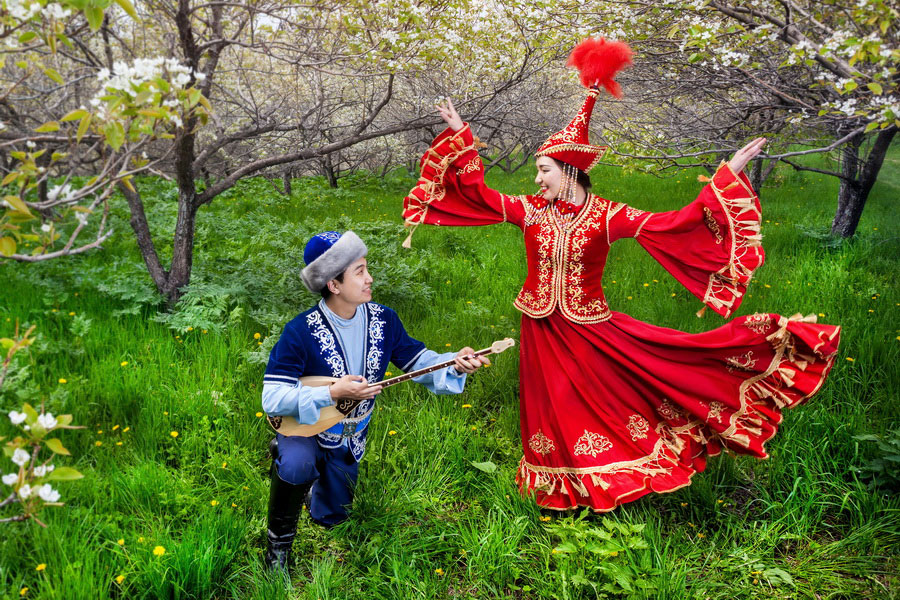
It was a tradition for brides in Kazakhstan to visit each of her husband's relatives and give each of them a small gift. She was not allowed to visit her parents house for one year to demonstrate a clean separation from them.

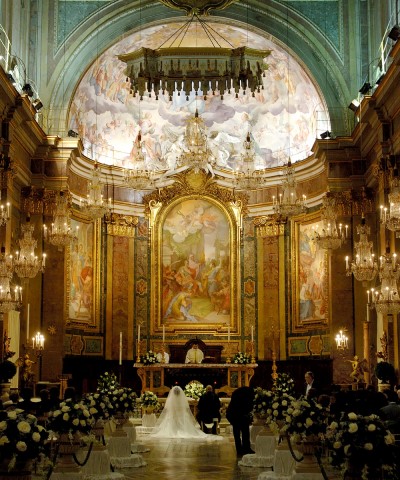
Click pic to enlarge/shrink
 |
 |
|
| | ||
 |
| |
| | ||
 |
 |
|
| | ||
 |
 |
|

 |
Suggestions, Questions? Email |
 |